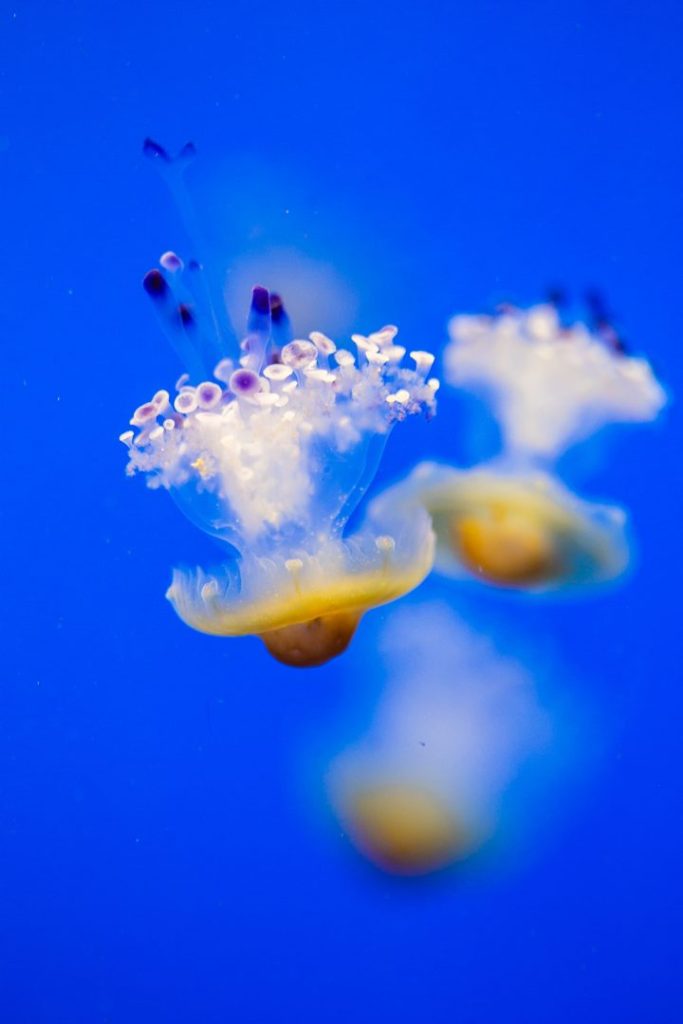
With over 5,000 Ocean animals and awe-inspiring exhibits, explore the National Marine Aquarium for an experience you’ll never forget.
Your Aquarium visit will take you on a journey around the different zones of the world’s Ocean, from the local waters of Plymouth Sound, all the way to the tropical seas of the Great Barrier Reef and everywhere in between!
Home of the Ocean Conservation Trust, the Aquarium provides an opportunity to connect first-hand with the Ocean, what better place to spend your day?
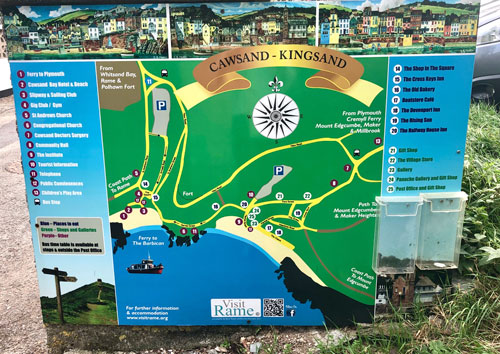
Kingsand and Cawsand
21 miles
PL10 1NA
The small twin villages overlook Plymouth Sound, they have lovely small shingly beaches and are both charming and uniquely beautiful
You can visit by car (be aware of very narrow streets) but there’s plenty of parking in the town car parks and it’s a lovely spot to visit with fabulous views and great pubs, eateries and shops
Or, for a different experience, you can also travel here by boat from Plymouth: www.plymouthboattrips.co.uk
Car parking – the main large car parks are Kingsand and Central
Dog friendly
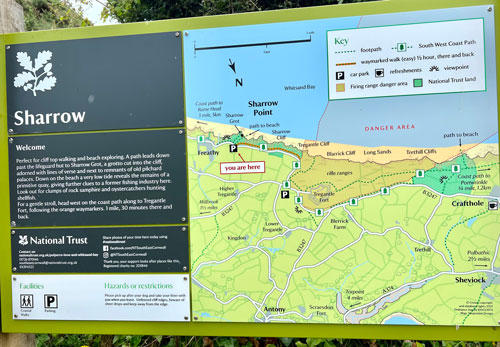
Whitsand Bay
22 miles
PL10 1JT
Our personal favourite beach and also probably South East Cornwall’s best beach, but it’s not for everyone… and we tend to visit avoiding busier times, we like to swim here too
It has a three mile stretch of perfect sand but be aware that access to the beach is steep and challenging and also be aware that there are rip currents in this area and a risk of being cut off at high tide so keep an eye on the tide and be aware of access points to the beach, especially if you are walking
There are a number of access points to the beach, all are steep and are unsuitable for wheel chairs or push chairs. The main access points are at Tregantle, Sharrow Point, Freathy and Tregonhawke (we tend to use Sharrow Point or Freathy) all have steep paths and it take about 5 minutes to negotiate down to the beach
Car park and limited layby parking at Tregantle, car park at Sharrow Point. There is also road parking and field car parking at Tregonhawke and there’s also other roadside fields opened for parking in summer when it can be very busy at times
We recommend visiting the website to plan your visit and to check the events calendar
Hidden on the borders of Dartmoor National Park, the zoo, which is focused on animal conservation, offers 33 acres of woodland and is home wide range of exotic and native animals, including the largest variety of big cats in the South West of England
From tigers to tarantulas, you’re likely to find some of your favourites here, the enclosures and the layout of the zoo will give you up close access to many of the varied and beautiful creatures who live here
Free Parking
Dogs are not permitted either in the zoo or to be left unattended in cars in the car park – with the welfare of the zoo animals in mind
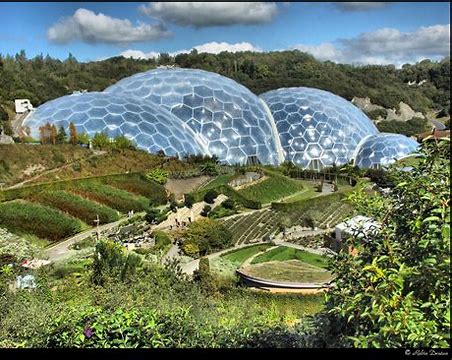
The Eden Project’s home near St Austell in Cornwall used to be a barren landscape – a former clay mine with no soil or plants, this huge crater is now transformed into a beautiful global garden, which sets the stage for an extraordinary day out where you’ll rediscover the natural world as you’ve never experienced it before.
Explore massive covered Biomes to trek through the world’s largest indoor rainforest and immerse yourself in the calm fragrance of the Mediterranean Biome. Enjoy extensive outdoor gardens, contemporary artworks, performance and storytelling. Discover places to rest, play and eat, and pick up inspiring ideas to take home on how to care for the planet that cares for you.
We recommend visiting the website to plan your visit.
Crackington Haven
29 miles
Crackington Haven is popular with tourists, walkers, and geology students. The surrounding cliffs are well known for their visible folded sedimentary rock formations. The village gives its name to the Crackington Formation, a sequence.
The village has two café-style tea rooms, and a pub called the Coombe Barton Inn in a building that was originally the house of a local slate quarry manager.
Crackington Haven has a stony foreshore but a sandy beach is revealed at low water. There are toilet facilities near the beach and lifeguard cover in the summer.
Immediately north of the beach is Pencarrow Point and a few hundred yards south is Cambeak headland (between Tremoutha Haven and Cam Strand); the clifftop here is 328 ft. One mile south of Crackington Haven, High Cliff rises to 735 feet (224 m). It is Cornwall’s highest cliff.
Crackington Haven lies within the Cornwall Area of Outstanding Natural Beauty (AONB). Almost a third of Cornwall has AONB designation, with the same status and protection as a National Park.
Dogs allowed 1 October to 14th May and before 10 am or after 6pm at all other times.
Boscastle
29 Miles
PL35
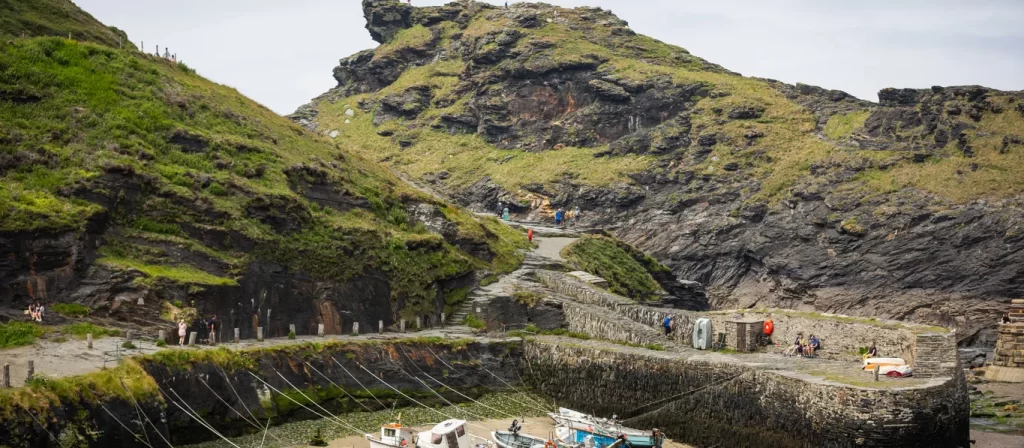
Boscastle is more than just a harbour village. Explore upstream to reach the Valency Valley with woodland walks. Rugged Cornish cliffs line the route to Willapark and Forrabury Stitches. Venture further north to find geological formations at Crackington haven and the steep-sided Dizzard Wood.
Harbour and quayside
The Elizabethan quay sits in a natural amphitheatre of steep cliffs and is home to stone cottages, shops and tea-rooms. The cliffs rise up around the river as it leads out to sea. Wander down to the harbour passing lime kilns and the blacksmith’s forge.
Blow hole walk further to Penally Point to see Boscastle’s blow-hole which is often called the Devil’s Bellows. It can be seen thumping and snorting about an hour either side of low tide, blowing a horizontal waterspout halfway across the harbour entrance if the conditions are right.
Dog friendly
Charlestown
30 miles
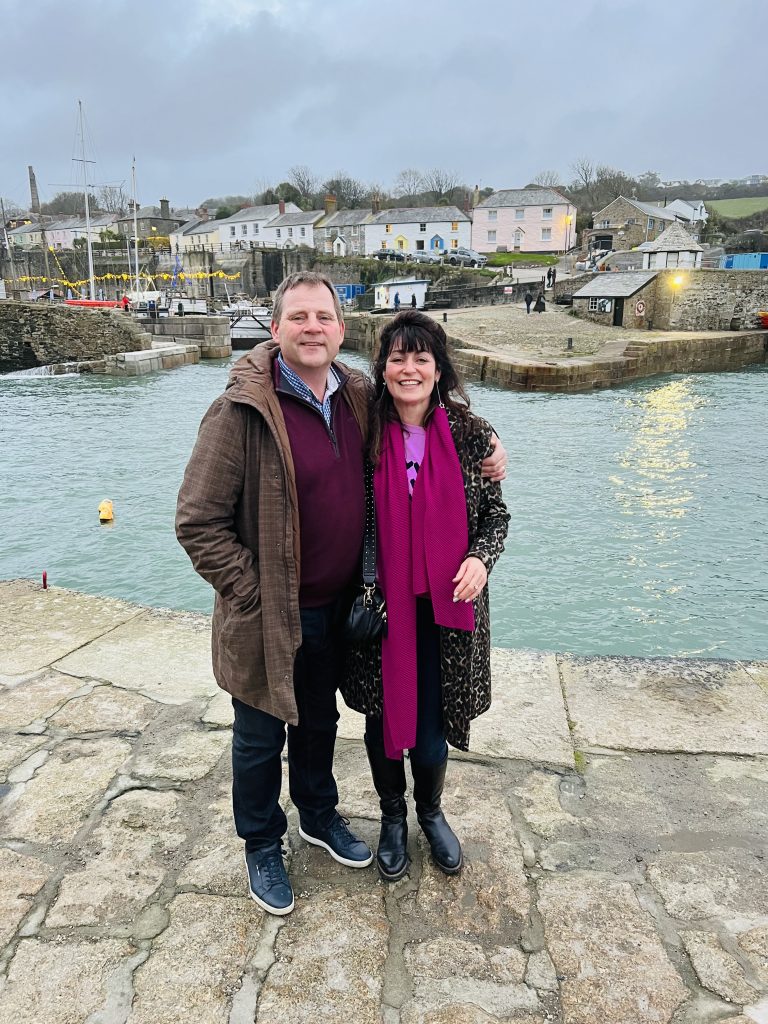
Located about a mile outside the town of St Austell is an amazingly pristine, unspoiled example of a late Georgian working port. It was constructed between 1791 and 1801 by Charles Rashleigh, entrepreneur and member of the local landowning family, in response to the growth of the growth of the local mining industry. Originally built to export copper and import coal, it was soon being used for the export of china clay. It is from its creator that the the port gets its name.
Charlestown was formerly known as West Polmear with a population of 9 and a small fishing fleet that used the beach as a harbour. The project began with the construction of the pier to provide shelter for the fishing fleet and then the creation of a basin, cut out of the bedrock to allow the sailing ships in. The roads were widened and paved to allow for the wagons, which carried the cargo to and from the harbour.
Upon completion, Charlestown was a model Georgian “new town”. By the 19th Century various associated businesses were established in sheds and warehouses around the harbour such as pilchard curing, shipbuilding, brick making and lime burning, and the population exploded to close on 3,000.
Many attractive period properties sprung up in the village, ranging from elegant Georgian houses to squat fisherman’s cottages.
To this day the port remains unspoiled and retains much of its Georgian character. This unique combination has lead to Charlestown being a popular location for films and TV locations including Poldark, Hornblower, Mansfield Park and to some extent this has probably helped subsidise its existence and prevent development.
As well as being a harbour location Charlestown capitalises on it’s past by harbouring a fleet of square riggers ships. There are usually at least one of these magnificent ships in the harbour and they really do transport you into a bygone era.
Also worthy of mention is theShipwreck museum located in one of the old China Clay buildings, the centre contains a number of exhibits relating to Charlestown’s maritime past along with more general shipwreck salvage from Cornwall’s coast.